In the world of philanthropy, passion is the fuel, but structure is the engine. A powerful mission can only achieve its full potential when supported by a robust, well-defined organizational structure. Without it, even the most noble intentions can falter amidst confusion, inefficiency, and a lack of accountability. A solid structure isn’t about creating bureaucracy; it’s about building a framework for impact, ensuring that every donation, every hour of volunteer work, and every strategic decision is maximized to serve the cause.
This comprehensive guide will walk you through the essential components of a successful charity organization structure. We will explore the critical roles of governance and management, dissect common structural models, and outline the foundational documents that provide the blueprint for your nonprofit’s journey. Whether you are launching a new charity or looking to strengthen an existing one, understanding these principles is the first step toward building a sustainable and impactful organization.
“Management is doing things right; leadership is doing the right things.” – Peter Drucker
This famous quote perfectly encapsulates the dual nature of a charity’s structure: the leadership (governance) that sets the direction and the management that executes the mission efficiently.
Part 1: The Two Pillars – Governance vs. Management
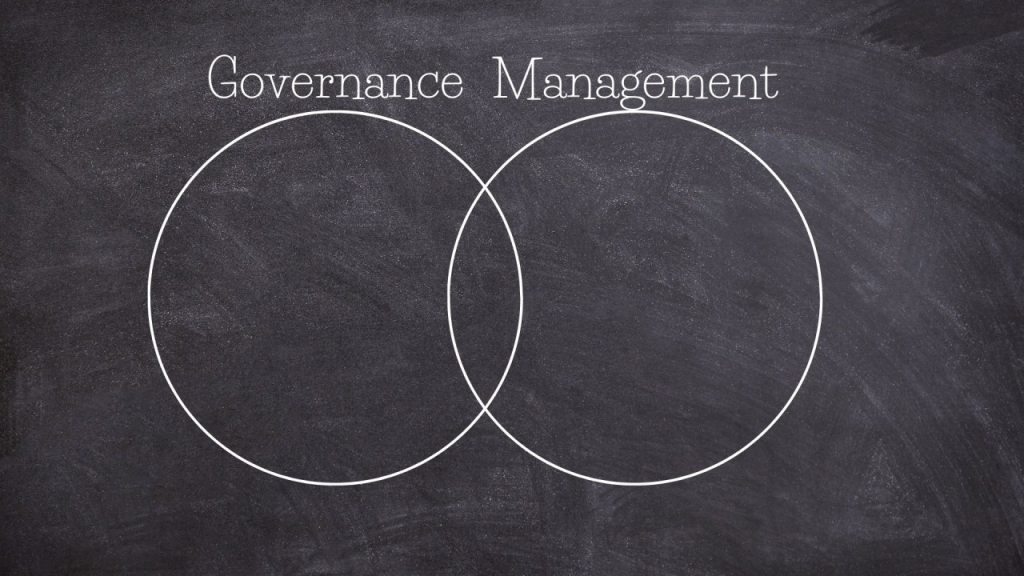
At the highest level, a charity’s structure is divided into two distinct but interconnected pillars: governance and management. Confusing these roles is one of the most common pitfalls for new nonprofits.
The Governance Pillar: The Board of Directors / Trustees
The Board of Directors (or Board of Trustees) is the supreme governing body of the charity. Its members are not involved in the day-to-day running of the organization. Instead, they provide high-level oversight, strategic direction, and fiduciary responsibility. They are the guardians of the mission.
Key Responsibilities of the Board:
- Define and Uphold the Mission and Vision: The board ensures the organization stays true to its core purpose. They periodically review and reaffirm the mission, setting the long-term strategic direction to achieve it.
- Appoint and Oversee the Executive Director/CEO: Perhaps the board’s most critical function is to hire, support, and evaluate the top executive. They delegate the authority for day-to-day management to this individual and hold them accountable for the organization’s performance.
- Ensure Financial Stewardship: Board members have a fiduciary duty to protect the organization’s assets. This includes approving the annual budget, reviewing financial reports, and ensuring adequate financial controls are in place to prevent fraud and mismanagement.
- Guarantee Legal and Ethical Compliance: The board is responsible for ensuring the charity complies with all applicable laws and regulations and operates with the highest ethical standards. This includes adopting policies like a conflict of interest policy.
- Act as Ambassadors and Support Fundraising: While not always required to be the primary fundraisers, board members should be passionate advocates for the cause, leveraging their networks to open doors and contribute to the organization’s financial health.
Typical Board Structure:
- Officers:
- Chair/President: Leads board meetings, acts as the primary liaison with the Executive Director, and often serves as a spokesperson.
- Vice-Chair/Vice-President: Supports the Chair and steps in during their absence.
- Secretary: Responsible for maintaining accurate records, including meeting minutes and official documents.
- Treasurer: Oversees the organization’s financial health, chairs the finance committee, and presents financial reports to the board.
- Committees: To work more efficiently, boards often delegate tasks to smaller committees, which then report back to the full board. Common committees include:
- Finance Committee: Oversees budgeting, financial reporting, and audits.
- Governance Committee: Responsible for board recruitment, nominations, orientation, and performance evaluation.
- Fundraising/Development Committee: Leads the board’s involvement in fundraising strategy and activities.
- Program Committee: Provides oversight and guidance on the charity’s programs and services.
The Management Pillar: The Executive Director & Staff
The management team, led by the Executive Director (ED) or CEO, is responsible for the day-to-day operations. They are the engine that translates the board’s strategic vision into tangible action and impact.
The Role of the Executive Director (ED) / CEO:
The ED is the vital link between the board and the staff. They are responsible for implementing the strategic plan approved by the board.
Key Responsibilities of the ED:
- Programmatic Leadership: Overseeing the design, implementation, and evaluation of the charity’s programs to ensure they are effective and aligned with the mission.
- Operational Management: Running the daily business of the organization, including managing staff, finances, and facilities.
- Staff Leadership and Management: Hiring, training, and supervising staff, fostering a positive and productive organizational culture.
- Financial Management: Working with the board Treasurer to develop the budget and ensuring sound financial practices on a day-to-day basis.
- Fundraising and Public Relations: Serving as the primary spokesperson and fundraiser for the organization, building relationships with donors, partners, and the community.
Part 2: The Operational Framework – Core Departments and Functions
As a charity grows, its operational structure becomes more specialized. The ED oversees several key departments, each with a specific function. The size and complexity of these departments will vary based on the organization’s budget and mission.
1. Programs & Services Department
This is the heart of the charity—the team that directly delivers on the mission.
- Roles: Program Director, Project Manager, Case Worker, Educator, Field Officer.
- Function: They design, implement, and evaluate the services offered to beneficiaries. This could be anything from running a soup kitchen, providing educational workshops, conducting environmental research, or managing international aid projects. They are responsible for tracking metrics and reporting on impact.
2. Fundraising & Development Department
This department is the lifeline, responsible for securing the financial resources needed to operate.
- Roles: Development Director, Grant Writer, Major Gifts Officer, Events Coordinator, Corporate Partnerships Manager.
- Function: They create and execute a diversified fundraising strategy. This includes writing grant proposals to foundations, cultivating relationships with individual major donors, organizing fundraising events, running online campaigns, and securing corporate sponsorships.
3. Marketing & Communications Department
This is the voice of the charity, responsible for telling its story and engaging the public.
- Roles: Communications Director, Social Media Manager, Content Creator, Public Relations Specialist.
- Function: They manage the organization’s brand, website, and social media channels. They write newsletters, press releases, and annual reports. Their goal is to raise awareness, engage stakeholders, and support fundraising efforts by clearly communicating the charity’s impact.
4. Finance & Administration Department
This department is the backbone, ensuring the organization runs smoothly, legally, and efficiently.
- Roles: Chief Financial Officer (CFO) or Finance Manager, Accountant, Human Resources (HR) Manager, IT Support, Office Manager.
- Function: The finance team handles bookkeeping, payroll, budgeting, and financial reporting. The administration side manages HR functions like hiring and benefits, ensures office technology is working, and oversees general office operations and compliance.
5. Volunteer Management Department
For many charities, volunteers are an essential part of the workforce.
- Roles: Volunteer Coordinator/Manager.
- Function: This role is dedicated to recruiting, training, supervising, and retaining volunteers. They ensure that volunteers have a meaningful experience and that their contributions are effectively integrated into the organization’s work.
Part 3: Common Charity Organizational Structure Models
There is no one-size-fits-all structure. The right model depends on your charity’s size, complexity, and stage of development.
1. The Hierarchical (or Functional) Structure
This is the traditional, pyramid-shaped model. Authority flows from the top (Board and ED) down through various departmental heads to the staff.
- Best for: Larger, established organizations with distinct, ongoing functions (e.g., a national health charity with separate departments for research, patient support, and advocacy).
- Pros: Clear chain of command, defined roles and responsibilities, opportunities for specialization and career progression.
- Cons: Can be rigid, may lead to departmental silos, and communication can be slow to move up and down the chain.
2. The Flat Structure
Common in new or very small charities, this model has few or no layers of middle management between the staff and the ED.
- Best for: Startups and small, community-based organizations where the team is small and collaborative.
- Pros: Fosters open communication and collaboration, allows for quick decision-making, highly adaptable.
- Cons: Can become chaotic as the organization grows, roles can be poorly defined, and the ED can become a bottleneck.
3. The Program-Based Structure
In this model, the organization is structured around its key programs or service lines. Each program might have its own dedicated staff, budget, and leader who reports to the ED.
- Best for: Organizations with several large, distinct, and often separately funded programs (e.g., a community center that runs a senior wellness program, an after-school tutoring program, and a food pantry).
- Pros: Allows for deep expertise and focus within each program, clear accountability for program outcomes.
- Cons: Can lead to duplication of resources (e.g., each program trying to do its own marketing) and can create internal competition for funding.
4. The Matrix Structure
A more complex model where staff may report to both a functional manager (e.g., Head of Marketing) and a program or project manager.
- Best for: Large, complex organizations that work on multiple, time-bound projects, often with international components.
- Pros: Highly flexible and responsive, encourages cross-departmental collaboration, efficient use of specialized staff across different projects.
- Cons: Can create confusion with dual reporting lines, potential for conflict between managers.
Part 4: The Blueprint – Foundational Legal and Governance Documents
Your organizational structure isn’t just an org chart; it’s codified in key documents that legally define and guide your charity.
- Articles of Incorporation (or Trust Deed): This is the legal document filed with the government that officially creates the organization. It outlines the charity’s name, purpose, and basic structure.
- Bylaws: This is the operating manual for your organization. The bylaws are a critical document that defines the rules of governance. They should specify:
- The size of the board and term limits for members.
- The roles and duties of board officers.
- How board members are elected or appointed.
- The frequency and rules for holding meetings (quorum, voting procedures).
- Procedures for amending the bylaws themselves.
- Organizational Chart: A visual representation of your structure, showing the reporting relationships between the board, management, and staff. This should be a living document that is updated as the organization evolves.
- Key Policies: To support the structure and ensure ethical operations, every charity needs key policies approved by the board, such as:
- Conflict of Interest Policy: Ensures that board and staff decisions are made in the best interest of the charity, not for personal gain.
- Whistleblower Policy: Protects individuals who report suspected illegal or unethical conduct.
- Financial Controls Policy: Outlines procedures for handling money, authorizing expenses, and preventing fraud.
“The highest reward for a person’s toil is not what they get for it, but what they become by it.” – John Ruskin
This sentiment applies perfectly to the volunteers and staff within a charity. A good structure empowers them, values their contribution, and allows them to grow as they serve the mission.
Part 5: Evolving Your Structure for Growth
An organization’s structure must evolve with its lifecycle.
- Startup Phase: The structure is typically flat and informal. The founder(s) and a small, passionate team do everything. The focus is on program delivery and survival.
- Growth Phase: As the budget and staff grow, the need for a more formal structure becomes critical. Departments are created, management layers are added, and formal systems and policies are put in place. This is often the most challenging phase to manage.
- Mature Phase: The organization has a well-established hierarchical or program-based structure, refined systems, and a deep leadership bench. The focus may shift to scaling impact, replicating success in new areas, or innovating services.
A well-defined charity organization structure is not an administrative burden; it is a strategic asset. It provides the clarity, accountability, and efficiency necessary to convert passion into measurable, sustainable impact. It builds trust with donors, empowers staff and volunteers, and protects the organization’s mission for the long term.
By clearly separating governance from management, choosing a structural model that fits your needs, and codifying your operations in clear legal documents, you are not just creating an organization—you are building a resilient foundation for change. Remember that your structure should serve your mission, not the other way around. Review it regularly, adapt as you grow, and never lose sight of the people you exist to serve.
“The best way to find yourself is to lose yourself in the service of others.” – Mahatma Gandhi
Let your structure be the vessel that allows your entire organization—board, staff, and volunteers—to do just that, effectively and with purpose.