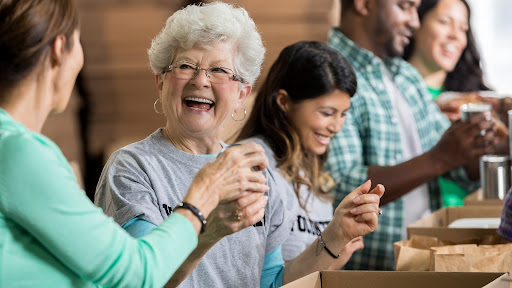
In a world increasingly focused on academic achievement and competitive career paths, the simple act of volunteering can often be overlooked, especially for young people. While the tangible benefits like skill development and résumé building are well-documented, a deeper, more profound impact often goes unnoticed: the significant boost to mental and emotional well-being.
For teenagers and young adults navigating the complexities of identity, social pressures, and future anxieties, volunteering offers a powerful antidote. It’s not just about giving back; it’s about a transformative journey that nurtures resilience, purpose, and overall mental fortitude.
Why Mental Health Matters More Than Ever for Youth
Today’s youth face unprecedented challenges. Screen time, social media pressures, academic stress, and global uncertainties contribute to rising rates of anxiety, depression, and feelings of isolation. Traditional coping mechanisms often fall short, making it crucial to explore activities that genuinely empower young individuals and build their inner strength. This is precisely where volunteering shines.
The Core Mental & Emotional Benefits of Youth Volunteering
Let’s dive into the surprising ways volunteering can become a cornerstone of positive youth mental health:
- Combating Loneliness and Fostering Connection: In an age of digital interaction, genuine human connection can feel scarce. Volunteering thrusts young people into real-world scenarios, working alongside peers and adults toward a common goal. This shared experience naturally builds camaraderie, trust, and a sense of belonging.
- Emotional Impact: Reduces feelings of isolation, fosters meaningful friendships, and expands social networks beyond school or family.
- SEO Keyword: “Youth volunteering social connection,” “reduce teen loneliness.”
- Boosting Self-Esteem and Self-Worth: Many young people struggle with self-doubt. Volunteering provides tangible evidence of their capabilities and impact. Seeing the direct results of their efforts—whether it’s helping an elderly person, cleaning a park, or supporting an animal shelter—instills a powerful sense of accomplishment.
- Emotional Impact: Increases confidence, validates their ability to make a difference, and cultivates a positive self-image.
- SEO Keyword: “Volunteer activities for teen self-esteem,” “build youth confidence.”
- Reducing Stress and Anxiety Through Purpose: When young people feel a sense of purpose, daily stressors often become more manageable. Volunteering shifts focus from personal anxieties to external positive action. The act of helping others releases feel-good hormones like oxytocin, acting as a natural stress reliever.
- Emotional Impact: Provides a healthy outlet for stress, offers perspective on personal problems, and introduces a sense of meaning and direction.
- SEO Keyword: “Volunteering for teen stress relief,” “purposeful activities for youth anxiety.”
- Developing Empathy and Emotional Intelligence: Engaging with diverse communities and individuals facing different challenges broadens a young person’s perspective. Volunteering exposes them to realities beyond their immediate experience, fostering empathy, compassion, and a deeper understanding of human needs.
- Emotional Impact: Enhances emotional intelligence, improves communication skills, and nurtures a more compassionate worldview.
- SEO Keyword: “Youth volunteering empathy development,” “emotional intelligence for young people.”
- Cultivating Resilience and Problem-Solving Skills: Volunteering often presents unexpected situations that require adaptability and creative thinking. Whether it’s organizing an event, assisting with a challenging task, or interacting with diverse personalities, young volunteers learn to navigate obstacles and find solutions.
- Emotional Impact: Builds mental toughness, improves critical thinking, and teaches valuable coping mechanisms for life’s challenges.
- SEO Keyword: “Volunteer work resilience teens,” “youth problem-solving skills.”
- Providing a Healthy Distraction from Negative Influences: Engaging in constructive, positive activities naturally reduces the time available for less healthy pursuits. Volunteering fills schedules with meaningful commitments, diverting attention from potential negative influences or excessive screen time.
- Emotional Impact: Promotes healthy habits, offers a positive social environment, and reduces exposure to potentially detrimental activities.
- SEO Keyword: “Positive activities for youth,” “healthy teen engagement.”
How Parents, Educators, and Nonprofits Can Encourage Youth Volunteering
Recognizing these powerful benefits, it’s vital for adults to actively encourage and facilitate youth involvement in volunteerism:
- Offer Diverse Opportunities: Cater to different interests, from environmental clean-ups and animal care to tutoring and community event support.
- Make it Accessible: Provide transportation options, flexible schedules, and age-appropriate tasks.
- Highlight the “Why”: Connect volunteer tasks to their broader impact, helping young people see the value of their contributions.
- Lead by Example: Volunteer as a family or within the community to show the importance of giving back.
- Acknowledge and Celebrate Efforts: Recognize the hard work and dedication of young volunteers, reinforcing their positive experiences.
The Bottom Line: Investing in Well-being
Youth volunteering is far more than an extracurricular activity; it’s a vital investment in the mental and emotional well-being of the next generation. By providing opportunities for service, we equip young people with the tools to navigate challenges, build meaningful connections, and find profound purpose. In doing so, we don’t just help communities; we help young individuals thrive, fostering a healthier, more compassionate society for all.