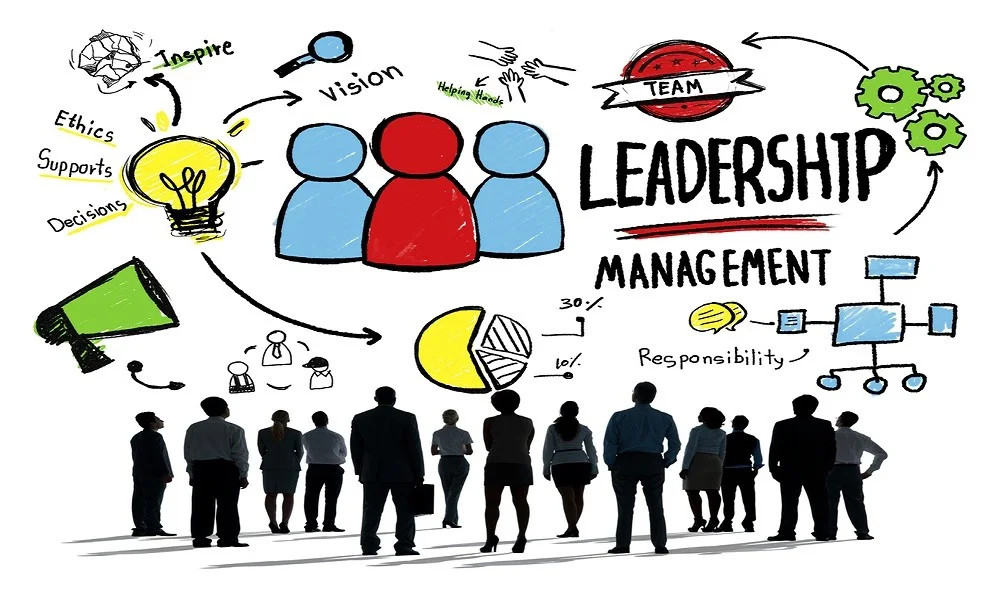
Effective leadership is the single most critical factor that separates a successful project from a failed one. It doesn't matter if you're building a software application, launching a marketing campaign, constructing a bridge, or organizing a community event; the principles of guiding a team toward a common goal remain universal.
A great leader is both a compass and a rudder. They provide the direction (the compass) and make the necessary adjustments to navigate obstacles along the way (the rudder). This guide breaks down the essential phases and principles of project leadership, offering actionable steps for leaders at any level.
Phase 1: The Foundation - Before the Work Begins
Rushing into execution without a solid foundation is a recipe for chaos. The most important work of a leader often happens before the first task is even assigned.
1. Define the "Why": Establish the North Star
Your team needs more than just a list of tasks; they need a purpose. Your first job is to clearly define and articulate the project's vision and objectives.
- Clarify the Vision: What does success look like? Why is this project important? Answer these questions in a simple, compelling statement that everyone can rally behind.
- Set SMART Goals: The vision needs to be translated into tangible targets. Use the SMART framework:
- Specific: Clearly state what you want to achieve.
- Measurable: Define how you will track progress and success (e.g., increase user engagement by 15%).
- Achievable: Ensure the goal is realistic given your resources and constraints.
- Relevant: The goal must align with broader organizational objectives.
- Time-bound: Set a clear deadline.
2. Assemble Your Crew: The Right People in the Right Roles
A team is more than a collection of skilled individuals; it's a dynamic unit.
- Skills and Synergy: Look for a blend of technical skills required for the project and soft skills like communication, collaboration, and problem-solving.
- Clarify Roles and Responsibilities: Every member should know exactly what they are responsible for and what their teammates are doing. This prevents both gaps and overlaps in work, reducing friction from day one. A simple RACI (Responsible, Accountable, Consulted, Informed) chart can be invaluable here.
Phase 2: The Journey - Navigating the Project Lifecycle
With the foundation laid, your role shifts to steering the team through the day-to-day realities of the project.
3. Communicate Clearly, Consistently, and Transparently
Communication is the lifeblood of any project. As a leader, you are the central hub.
- Establish a Rhythm: Set up a consistent schedule for communication. This could include daily stand-ups, weekly team meetings, and monthly progress reviews. The predictability creates stability.
- Choose the Right Channels: Use different tools for different purposes. Instant messaging for quick questions, email for formal announcements, and project management software (like Asana, Trello, or Jira) for task updates.
- Practice Active Listening: Leadership isn't just about talking; it's about listening. Pay attention to your team's concerns, ideas, and feedback. Often, the best solutions come from those closest to the work.
- Be Transparent: Share bad news as openly as good news. If there are delays or budget cuts, your team needs to know. Trust is built in times of difficulty, not ease.
4. Empower, Don't Micromanage
Your job is to lead, not to do everyone's job for them.
- Delegate Outcomes, Not Tasks: Provide your team with the "what" and the "why," and give them the autonomy to figure out the "how." This fosters ownership, creativity, and professional growth.
- Provide Resources and Remove Blockers: See your primary role as a facilitator. Ensure your team has the tools, information, and support they need. Your daily question should be, "What's getting in your way, and how can I help remove it?"
5. Lead from the Front: Be the Example
The team will look to you to set the tone. Your actions speak far louder than your words.
- Embody the Work Ethic: Be punctual, prepared, and positive. If you expect high standards from your team, you must demonstrate them yourself.
- Take Accountability: When things go wrong, take responsibility. Don't blame your team. Acknowledge the setback, focus on the solution, and share the lessons learned. When things go well, give the credit to the team.
6. Navigate the Storms: Problem-Solving and Conflict Resolution
No project is without its challenges. Your team's response to adversity will depend entirely on your leadership.
- Address Conflict Directly and Promptly: Don't let disagreements fester. Facilitate a conversation focused on the issue, not the individuals. Encourage mutual respect and guide the parties toward a solution.
- Stay Calm Under Pressure: Your team will mirror your emotional state. In a crisis, a calm, decisive, and optimistic leader can turn panic into productive action.
Phase 3: The Destination - Finishing Strong and Looking Ahead
How you finish a project is just as important as how you start it.
7. Fuel the Engine: Motivation and Recognition
An unappreciated team is an unmotivated team.
- Celebrate Milestones: Don't wait until the very end to celebrate. Acknowledge small wins and major milestones along the way to keep morale and momentum high.
- Give Specific Praise: A generic "good job" is nice, but specific recognition is powerful. "Sarah, the way you analyzed that user data gave us the key insight we needed to move forward" is far more effective.
8. Conduct a Post-Mortem or Retrospective
Learning is the ultimate reward of any completed project. Before everyone disbands, gather to reflect.
- Ask Three Key Questions:
- What went well that we should continue doing?
- What didn't go well that we should stop doing?
- What could we do differently to improve next time?
- Focus on Process, Not People: The goal is to improve future projects, not to assign blame. Create a safe space for honest feedback.
Leading a team is a dynamic and challenging responsibility. It requires you to be a strategist, a communicator, a motivator, and a problem-solver all at once. By laying a strong foundation, communicating with clarity, empowering your team, and leading by example, you can confidently steer any project through its challenges and guide your team to a successful outcome. The best leaders don't create followers; they create more leaders.