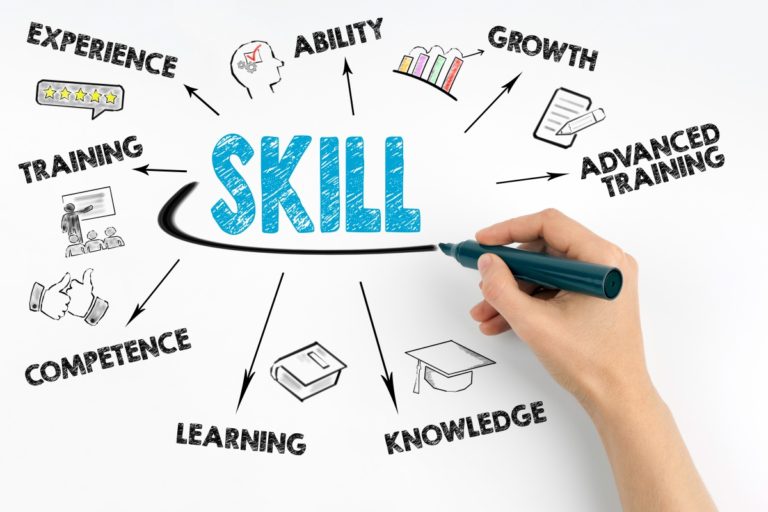
For many, the journey into the nonprofit sector begins with a spark—a passion for a cause, a deep-seated desire to make a tangible difference in the world. This passion is the fuel. But passion alone doesn’t build schools, persuade donors, or rally communities. The engine that turns that passion into measurable impact is, unequivocally, effective communication.
While corporate environments offer structured training, the nonprofit sector provides something far more potent: a real-world, high-stakes communication gymnasium. Every day, you are tasked with convincing, inspiring, comforting, and mobilizing a vast array of people, often with limited resources. It is in this crucible of necessity that your communication skills can be forged from good to exceptional.
This article is a practical guide for anyone working in a nonprofit—from a new volunteer to a seasoned program manager—on how to intentionally leverage your daily work to become a master communicator.
Why Nonprofits are Unique Communication Accelerators
Before diving into the “how,” it’s crucial to understand why the nonprofit environment is such a fertile ground for communication growth.
- The Spectrum of Stakeholders: In a single day, you might communicate with a beneficiary experiencing a crisis, a high-net-worth donor considering a major gift, a government official reviewing a grant, a corporate partner, and a team of passionate but diverse volunteers. Each audience requires a different tone, style, and message.
- Resource Scarcity Breeds Creativity: Without a multi-million dollar marketing budget, your words have to work harder. A persuasive grant proposal, a compelling social media post, or an inspiring speech to volunteers isn’t just a task—it’s essential for survival and growth.
- Mission-Driven Urgency: You’re not selling a product; you’re advocating for a cause. This emotional weight forces you to communicate with clarity, authenticity, and empathy. The stakes are human.
- The Primacy of Storytelling: Nonprofits thrive on stories of change and impact. You are constantly required to translate raw data and program outcomes into narratives that connect with the human heart.
The Core Communication Skills and How to Practically Develop Them
Let’s break down the key communication skills and identify the everyday nonprofit scenarios where you can practice and perfect them.
1. Active and Empathetic Listening
Listening is the most underrated communication skill. In the nonprofit world, it’s the foundation of trust and understanding. It’s about hearing not just the words, but the needs, fears, and hopes behind them.
Practical Scenarios for Development:
- Beneficiary/Client Interaction: When conducting needs assessments, interviews, or simply providing services, your primary job is to listen.
- Actionable Tip: Instead of thinking about what you’ll say next, practice reflective listening. Paraphrase what you’ve heard: “So, if I’m understanding correctly, the biggest challenge for your family right now is reliable transportation to medical appointments. Is that right?” This validates their experience and ensures you have the correct information.
- Volunteer Feedback Sessions: Volunteers are the lifeblood of many organizations. Listening to their experiences is crucial for retention.
- Actionable Tip: When a volunteer shares a concern, resist the urge to immediately solve it. Ask open-ended questions: “Can you tell me more about that situation?” or “What did that feel like for you?” This uncovers the root cause of the issue, not just the symptom.
- Donor Meetings: Listening to a donor’s motivations—their personal connection to the cause, their philanthropic goals—is more important than delivering a canned pitch.
- Actionable Tip: In your next donor meeting, set a goal to speak only 30% of the time. Use the other 70% to ask questions about their “why” and listen intently to the answers.
2. Persuasive and Clear Writing
From securing funding to rallying support, your writing must be sharp, compelling, and free of jargon.
Practical Scenarios for Development:
- Grant Writing: This is the ultimate persuasive writing boot camp. You must make a logical, data-driven, and emotionally resonant case for why your project deserves funding.
- Actionable Tip: Volunteer to help write or review a section of your organization’s next grant proposal. Pay close attention to the “Statement of Need.” Learn how to use data and a compelling story to create a sense of urgency and opportunity.
- Fundraising Appeals (Email & Direct Mail): These are direct tests of your ability to move someone to action.
- Actionable Tip: Analyze past successful appeals. What was the subject line? What story did it tell? What was the specific call-to-action (CTA)? Try to draft the next appeal email, focusing on a single, compelling story of one person your organization helped. Use simple, direct language.
- Social Media and Blog Posts: This is where you practice conciseness and engagement.
- Actionable Tip: Take responsibility for creating a content calendar for one week. For each post, define the goal: Is it to inform, inspire, or ask for an action? Craft your message to meet that one goal. Track the engagement (likes, shares, comments) to see what resonates.
3. Public Speaking and Presentation
Whether you’re addressing a room of 200 people or a team of three, the ability to command attention and deliver a clear message is invaluable.
Practical Scenarios for Development:
- Volunteer Orientations: This is a fantastic, low-stakes environment to practice. Your audience is already on your side and eager to learn.
- Actionable Tip: Ask to lead a small segment of the next orientation. Instead of reading from slides, distill your section into three key points. Tell a story to illustrate one of those points. Make eye contact with different people in the group.
- Team Meetings: Don’t just attend; participate. Presenting an update on your project is a form of public speaking.
- Actionable Tip: When it’s your turn to give an update, structure it using the PREP method:
- Point: State your main conclusion first. (“The community garden project is on track.”)
- Reason: Explain why. (“We successfully recruited ten new volunteers.”)
- Example: Give a specific illustration. (“Last Saturday, they helped us build three new garden beds.”)
- Point: Restate your main conclusion. (“So, overall, we are in a great position to meet our Q4 goals.”)
- Actionable Tip: When it’s your turn to give an update, structure it using the PREP method:
- Community Events: Many nonprofits are asked to speak at local clubs, schools, or community gatherings.
- Actionable Tip: Seize these opportunities! They are perfect for honing your core message and adapting it to different audiences. Always end with a clear, simple “ask”—what do you want this specific audience to do? (Volunteer, donate, spread the word, etc.)
4. Interpersonal and Cross-Cultural Communication
Nonprofit work is fundamentally about people. Building rapport, navigating difficult conversations, and working with diverse teams are daily requirements.
Practical Scenarios for Development:
- Collaboration with Partner Organizations: Working with another group means bridging different organizational cultures, priorities, and communication styles.
- Actionable Tip: When starting a joint project, proactively suggest a “kick-off” meeting specifically to discuss communication. Ask questions like: “What’s the best way to reach you for urgent matters? Email or phone call?” and “How often should our teams sync up?” This prevents misunderstandings later.
- Managing and Mentoring Volunteers: This requires a delicate balance of providing clear direction, giving constructive feedback, and showing appreciation.
- Actionable Tip: When you need to correct a volunteer, use the “Situation-Behavior-Impact” (SBI) model. “During the event registration this morning (Situation), I noticed you were giving guests verbal instructions instead of the printed info sheet (Behavior). This meant that several people got lost on their way to the main hall (Impact).” This is objective and focuses on the action, not the person.
- Networking: Building a professional network is crucial for partnerships and career growth.
- Actionable Tip: At your next conference or networking event, set a goal not to collect business cards, but to have three meaningful conversations. Prepare one or two open-ended questions about the other person’s work to get the conversation started.
Create Your Own Communication Development Plan
To be intentional about your growth, you need a plan.
- Self-Assess: On a scale of 1-10, honestly rate yourself on the four skills above. Where are you strongest? Where is the greatest opportunity for growth?
- Identify Opportunities: Look at your current job description and upcoming projects. Where are the built-in opportunities to practice your target skill? (e.g., “The annual gala is in three months; I can volunteer to help write the program notes to practice my writing.”)
- Be Proactive: Tell your manager, “I want to get better at public speaking. Could I have 5 minutes at the next team meeting to present my project update?” Leaders are often happy to support professional development that benefits the organization.
- Seek Feedback: After giving a presentation or writing a report, ask a trusted colleague or mentor for specific, constructive feedback. Ask, “What is one thing I did well, and one thing I could improve for next time?”
- Reflect: Keep a simple journal. After a challenging meeting or a successful fundraising email, jot down a few notes. What worked? What didn’t? What did you learn?
Working in a nonprofit is more than a job; it’s a calling. By embracing the unique communication challenges it presents every day, you not only become more effective in your role, but you also build one of the most transferable and powerful skill sets for any career path. You learn to translate your passion into a voice that can truly change the world.