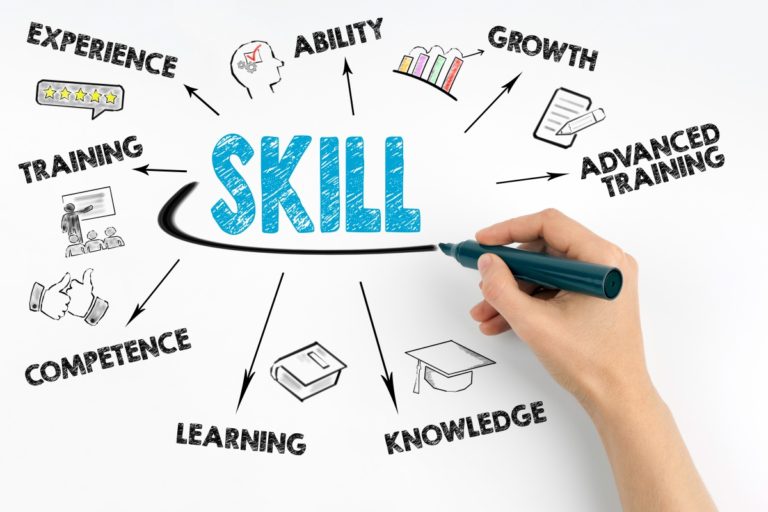
Volunteering is a powerful way to develop a wide range of valuable skills, from communication and teamwork to leadership and specific job-related abilities. It provides a practical, real-world environment to learn and grow both personally and professionally.
Skills are the abilities you possess to perform tasks effectively. They are the tools in your personal and professional toolbox, allowing you to navigate challenges, achieve goals, and contribute meaningfully to any endeavor. We often categorize skills into two main types:
- Hard Skills: These are teachable, measurable abilities, often specific to a particular job or task. Examples include coding, fluency in a foreign language, data analysis, or operating a specific type of machinery.
- Soft Skills: These are interpersonal or “people” skills that describe how you work and interact with others. They are harder to quantify but are crucial for success in almost any environment. Think of communication, empathy, and problem-solving.
Developing a robust skill set is like building a bridge to your future success, and one of the most effective, yet often overlooked, ways to build this bridge is through volunteer work. 🤝
The Skill-Building Power of Volunteering
When you volunteer, you’re not just giving your time; you’re gaining invaluable experience that directly translates into sought-after skills. This hands-on learning environment allows you to step out of your comfort zone and master new abilities.
Communication and Interpersonal Skills
Volunteering often requires you to interact with a diverse group of people, including fellow volunteers, staff, and the community members you’re serving. This hones your ability to listen actively, articulate your thoughts clearly, and practice empathy and diplomacy.
- Small Info: You might learn to explain complex information simply while tutoring a child or practice persuasive communication when fundraising for a cause.
Teamwork and Collaboration
Almost all volunteer work is a team effort. You learn to work towards a common goal, understand your role within a group, and appreciate the contributions of others. This involves negotiation, compromise, and shared responsibility.
- Small Info: Organizing a community clean-up, for instance, requires coordinating tasks, managing resources, and ensuring everyone works together efficiently.
Leadership and Initiative
Volunteering offers numerous opportunities to take the lead. You might be asked to guide a small team, train new volunteers, or take charge of a specific project. This is a safe space to develop your decision-making abilities and learn how to motivate others without formal authority.
- Small Info: A volunteer who consistently shows up and takes on extra tasks might be asked to lead the planning for an annual event, giving them direct leadership experience.
Problem-Solving and Adaptability
Things don’t always go as planned in the real world. Volunteering exposes you to unexpected challenges that require quick thinking and creative solutions. You learn to be flexible, adapt to changing circumstances, and troubleshoot issues on the fly.
- Small Info: If a key speaker cancels for a charity event at the last minute, volunteers must quickly brainstorm a new plan to keep the audience engaged.
Project Management and Organization
Many volunteer roles involve planning and executing projects, from small-scale activities to large events. This provides practical experience in setting goals, managing timelines, budgeting, and coordinating logistics—all core components of project management.
- Small Info: Helping organize a food drive involves tracking donations, scheduling volunteer shifts, and coordinating with distribution centers, which are all organizational tasks.
Technical and Job-Specific Skills
Depending on the role, you can gain specific hard skills. You might learn to use database software at a non-profit’s office, gain construction skills building a house, develop animal care techniques at a shelter, or practice digital marketing by managing a charity’s social media account.
- Small Info: A volunteer at a local museum might learn artifact preservation and cataloging techniques, a highly specialized skill.