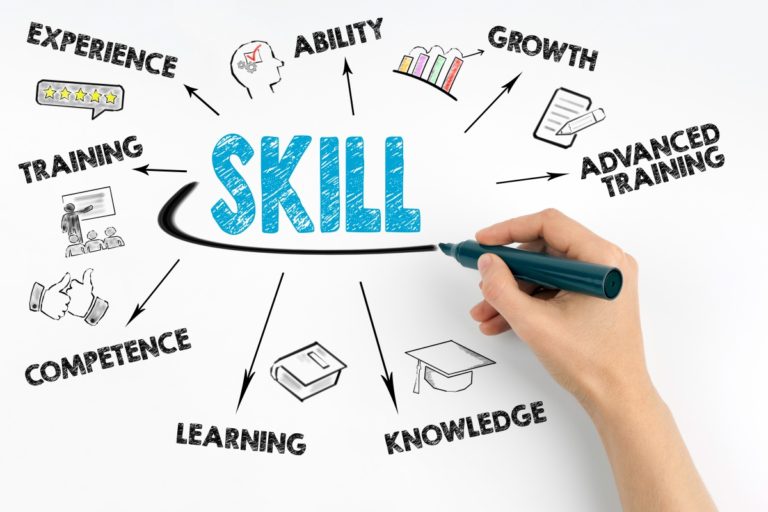
When we think of community work or volunteering, our minds often jump to feelings of altruism and giving back—and rightly so. It’s a noble act of contributing to a cause greater than ourselves. But what if we told you that this act of giving could also be one of the smartest strategic moves for your career?
Too often, we see our professional life and our community involvement as two separate worlds. In reality, they are deeply intertwined. Engaging in community work can provide you with a powerful, often overlooked, toolkit to build skills, expand your network, and ultimately, become a more desirable professional.
Let’s break down how volunteering can be your secret weapon for career growth.
1. Develop In-Demand Skills in a Low-Risk Environment
Your day job might not always give you the chance to lead a major project or manage a budget. A non-profit organization, however, often runs on the passion of its volunteers and may be thrilled to let you take the lead.
Community work is a practical training ground for both “hard” and “soft” skills.
- Hard Skills: These are the teachable, technical abilities.
- Event Planning: Organizing a charity fundraiser or a community clean-up drive hones your project management, logistics, and coordination skills.
- Marketing & Communications: Does a local animal shelter need help with its social media? You can gain hands-on experience in content creation, digital marketing, and public relations.
- Fundraising & Budgeting: Volunteering to be a treasurer or part of a fundraising committee gives you direct experience with financial planning, grant writing, and salesmanship.
- Public Speaking: Representing an organization at a community event or leading a volunteer orientation meeting builds confidence and sharpens your presentation skills.
- Soft Skills: These are the interpersonal skills that make you a great person to work with. They are increasingly valued by employers.
- Leadership: Stepping up to lead a team of fellow volunteers, even on a small task, demonstrates initiative and your ability to motivate others.
- Teamwork: You’ll collaborate with a diverse group of people from different backgrounds and age groups, all working towards a common goal. This is the very definition of effective teamwork.
- Problem-Solving: Non-profits often operate with limited resources. This forces you to become creative, adaptable, and resourceful in finding solutions to unexpected challenges.
- Empathy & Communication: Working with people from different walks of life deepens your understanding and empathy—a crucial skill for anyone in a customer-facing or management role.
2. Build a Meaningful and Diverse Professional Network
Corporate networking events can sometimes feel forced and transactional. Networking through community work, on the other hand, is organic and built on a shared passion.
When you volunteer, you connect with:
- Fellow Volunteers: These are people from various industries and career stages. The person sorting donations next to you could be a senior executive at a company you admire.
- Board Members: The boards of non-profits are often composed of influential community leaders, business owners, and seasoned professionals. Working with them provides invaluable exposure.
- Community Stakeholders: You’ll meet local government officials, business sponsors, and community leaders.
These aren’t just names on a business card. You build genuine relationships while working side-by-side on a meaningful project. These connections can lead to mentorship, job leads, and valuable professional advice down the road.
3. Enhance Your Resume and Personal Brand
In a competitive job market, a resume full of relevant experience is great. But a resume that also shows character, passion, and initiative is even better.
- It Makes You Stand Out: Imagine a hiring manager looking at two identical resumes. One is all business. The other shows that the candidate spent their weekends leading a youth sports team or organizing a food drive. Who seems more well-rounded and proactive?
- It Fills Employment Gaps: If you have a gap in your employment history, consistent volunteer work shows that you remained active, productive, and committed to personal growth.
- It Demonstrates Your Values: Companies today want to hire people who align with their culture and values. Volunteering for a cause you believe in clearly communicates what you stand for, making you a more attractive candidate to value-driven organizations.
Don’t just list your volunteer work at the bottom of your resume. Create a dedicated section and describe your accomplishments using action verbs, just as you would for a paid job.
Example:
- Instead of: “Volunteer at City Food Bank”
- Try: “Team Lead, City Food Bank | 2023 – Present”
- “Coordinated a team of 10 volunteers during weekly distribution, increasing efficiency by 15%.”
- “Assisted in organizing the annual holiday food drive, which collected over 2 tons of donations.”
4. Gain Real-World Experience and Explore New Career Paths
Are you a student wanting to test the waters of a potential career? Or perhaps you’re thinking of a career change? Volunteering is the perfect, low-risk way to get a feel for a new field.
- Curious about a career in environmental science? Join a local conservation group.
- Thinking about becoming a teacher? Volunteer to tutor students.
- Interested in healthcare? Volunteer at a hospital or clinic.
This hands-on experience is incredibly valuable. It provides you with tangible stories and results you can discuss in an interview, demonstrating your passion and proactive approach to your career goals.
How to Get Started
Finding the right opportunity is easier than you think.
- Identify Your Passion: What do you care about? Animals, the environment, education, helping the elderly, art and culture? Start there.
- Assess Your Time: Be realistic. Can you commit a few hours each week, or is a one-time event a better fit? Any contribution is valuable.
- Look Locally: Check with local community centers, schools, places of worship, and libraries. Online platforms like VolunteerMatch, Idealist, or local city-specific portals are also great resources.
- Start Small: You don’t have to save the world on day one. Join a single event or a short-term project to see if you like the organization and the work.
The Final Word
Community work is a powerful cycle of giving and receiving. While you give your time and skills to a cause you care about, you receive a wealth of professional benefits in return. It builds your character, expands your horizons, and equips you with the very skills and connections needed to thrive in your career.
So, the next time you think about how to get ahead professionally, don’t just look at online courses or networking events. Look to your community. The perfect opportunity to grow your career might just be waiting for you there.